



Beer Marketer's Insights
EXTENSIONS: Coca-Cola Offers First Zero-Cal Extension to Peace Tea Line Devised by Partner Monster
Once viewed as potentially strong challenge to AriZona Iced Tea, Peace Tea seems to have gotten scant attention since brand transferred from its developer Monster Beverage to Coca-Cola’s own portfolio via sweeping brand swap of 2014, languishing at 1.3% $$ share vs 17.9% for RTD tea leader Pure Leaf, 16.4% for AriZona and 12.8% for its KO stablemate Gold Peak, per latest Nielsens. Now KO is showing brand a little love, launching its first zero-sugar entry, Peace Tea Zer-OH Pineapple Groove, packed in 23-oz can adorned with big hand grasping pineapple and making peace sign. New entry will be backed by social media campaign thru summer, KO said.
Looking to finally get in energy game in serious way, Keurig Dr Pepper has turned to its innovation ally Lance Collins for zero-sugar entry called Adrenaline Shoc that will kick off in Jun in 5 states via co’s internal bottling system. Launch of “smart energy” brand announced this morning confirms word we’d heard in Feb that Lance had recovered Adrenaline trademark once employed by Pepsi for its Adrenaline Rush brand for possible use as energy play with KDP (BBI, Feb 28). At time, Collins said there’s nothing to discuss but now it’s clear partners have moved ahead on collaboration, at time that raft of insurgent brands are creating new opportunities in segment once viewed as locked up by handful of major brands. Initial markets for A Shoc are Texas, Chicago, Calif, Nev and Denver – all areas where KDP owns its bottling operations. Also a possibility is Ariz, where powerful indie bottler there, Kalil, just ceded Monster brand to Coke rival Swire and may be in hunt for replacement. A Shoc seems to be leading edge of broad suite of items, with co owning such related trademarks as Accelerator Adrenaline Shoc that could be deployed down road as challenger to brands like Celsius. As part of alliance, negotiated between Collins and KDP ceo Bob Gamgort, KDP has taken minority stake in brand. Reached this morning, Lance said he’s ceo of new entity but hasn’t determined yet who’ll be running day-to-day. Collins, of course, has been involved in creation of several brands that were acquired by major bevcos: Fuze Tea, NOS Energy, Body Armor sports drinks and Core water and organic infusions. He’s parlayed gift for trademarks into sales of brand names like Rehab and Life WTR to other cos.
A Shoc goes out in 16-oz cans in flavors like Sour Candy, Cotton Candy, Fruit Punch and Acai Berry, each given a #, using natural energy blend of green coffee beans, yerba mate, coffee fruit extract and guarana, along with branch chain amino acids (BCAAs) and electrolytes sourced from ocean minerals. Caffeine payload is elevated 300 mg, in line with entries like Bang, Celsius Heat and Monster’s response, Reign. Package graphics are dominated by large letter A in inclined form that conjures up a steep mountain, in synch with tagline, “Reach your peak.” Unwilling to suffer flavor tradeoffs of natural sweeteners, Collins has gone with sucralose, meaning he can’t say A Shoc is all natural. So as with Body Armor in sports drinks, he’s positioning it as being “more natural” than rivals like Monster and Bang. On brief call this morning, Lance told us plan devised with KDP calls for A Shoc to go out 10-20 cents higher than Monster or Bang; he said partners will refrain from the 2 for $4 promos frequently resorted to by major energy brands. He promised bevy of athletes, entertainers and other celebs in marketing mix, but said any such announcements will wait until brand is in broad distribution. Then, citing other obligation that was pending, he politely broke off conversation, saying, “I’m going to putt now.”
Several intriguing aspects to this launch. For one, from outset it will harness KDP buying and distribution clout, tapping immediately into KDP’s national and regional account teams and field marketing org and enabling Collins to hire just 20 staffers rather than 50, as he pointed out. And while initial launch is on regional basis at retail, A Shoc also will tap into partner’s extensive direct-to-consumer platform built around Keurig system, making for early test of how well system can help incubate new RTD bev and of overall synergy between 2 sides of KDP. It will be interesting to see what takeup of brand is outside initial regions of retail availability in era in which it’s no longer unusual for new RTDs to start online-only.
By now, KDP portfolio boasts broad portfolio of energy-related plays, tho so far none is significant player. They include DPS-developed Venom, which has long struggled, as well as Xyience and Hydrive brands picked up as part of Big Red acquisition and array of RTD coffee entries under Peet’s and Forto brands, with more presumed to be in pipeline. Further, co recently picked up plant-based Runa line for national distribution from its partner Vita Coco, coconut water marketer that acquired Runa last Jun. Still, A Shoc launch would seem to biggest foray into sector since predecessor co Cadbury Schweppes Americas Beverages committed $30 mil to launch of brand called Accelerade back in 2006. That entry quickly failed and neither CSAB nor its successor co DPS had displayed any relish to return to fray in punishing category, ceding space to Coke, Pepsi and Red Bull.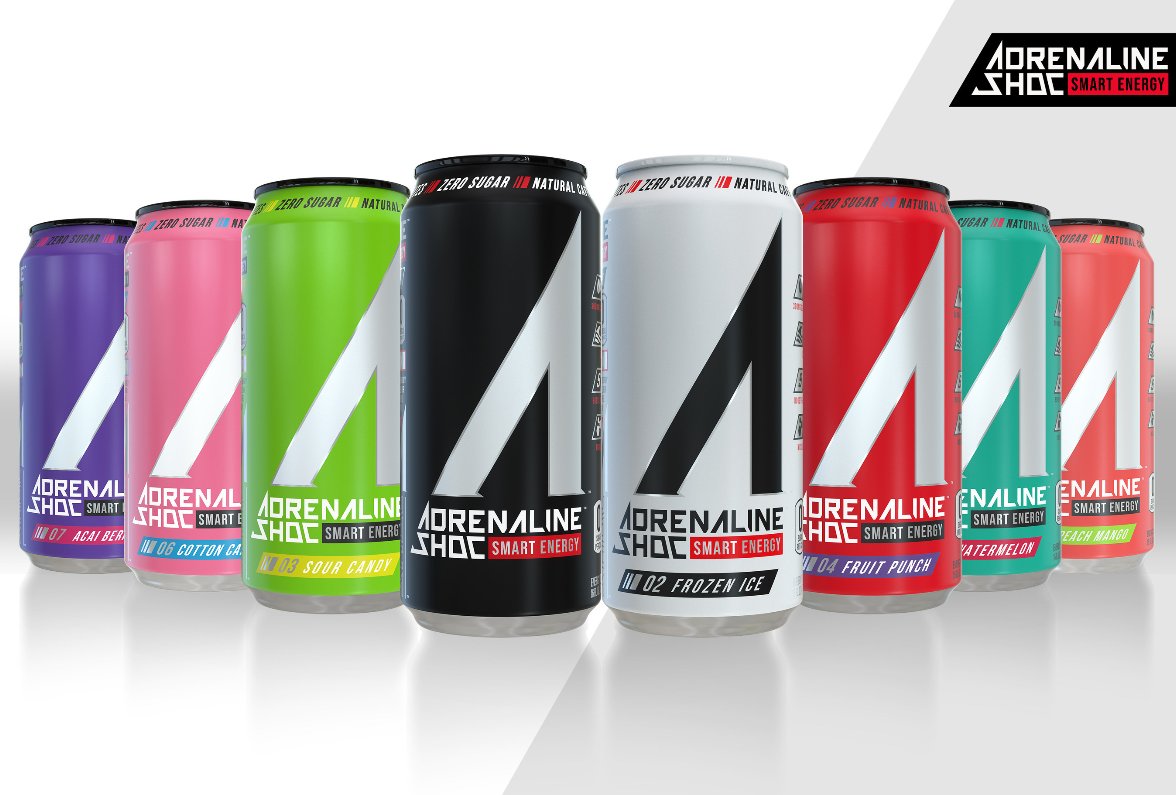
PepsiCo produced solid Q1 thanks to strong performance in snacks and in overseas markets, while N Amer bev biz generally held its own. Organic growth accelerated to 5%, highest in 3+ years, chmn/ceo Ramon Laguarta said on conference call this morning. And in give & take with analysts addressing 2 sources of recent weakness, he promised new innovations on Mtn Dew front this summer, as well as innovations “that hopefully will attack some spaces in the current sports category where we probably are weaker” as Gatorade comes under assault from Coke’s Body Armor brand.
Overall, PEP scored 2.6% net revenue gain to $12.88 bil while operating income soared 11.1% to $2.01 bil. PepsiCo Beverages North America saw net revs edge up 2.2% to $4.51 bil and operating profit flat at $389 mil. Earnings release was sparse on details, but 10-Q filing indicated PBNA suffered 2% volume decline, with 4% decline in CSDs only partly offset by 1% gain in noncarbs. Among noncarbs, bottled water scored high-single-digit volume increase, partly offset by high-single-digit decline in juices/juice drinks. That left it to higher pricing to drive the revenue gain.
Laguarta and cfo Hugh Johnston kept prepared remarks terse, in wake of presentation to analysts in Feb, but q&a elicited a bit of texture on N Amer bevs. Laguarta professed to feel “very good” about Pepsi trademark performance, thanks especially to minicans and no-sugar versions. He allowed that there’s “more work to do in Dew, and we will be investing more,” with unspecified brand innovations coming this summer. Ramon claimed improvement in Gatorade velocity, citing Gatorade Zero as “very incremental” and recipient of heavy investment (see below). When analyst pushed back, pointing to 3.6 pts of share loss in most recent scanner reporting period, Laguarta promised innovations to offset current vulnerabilities, without offering detail. Meanwhile, “Propel is doing very well and velocities are improving.” Of course, coffee has long been bright spot for Pepsi vs rivals KO and KDP, and Laguarta said Starbucks partnership remains strong. He said it’s unclear whether the many new brands entering coffee category will prove to have staying power.
PEP execs professed that recently taking ownership of Muscle Milk brand that they’ve long distributed should open multiple opportunities. For one, as Johnston pointed out, it will allow for better coordination with Gatorade shakes biz, allowing both brands to be more successful. With full ownership of value chain, Laguarta added, Pepsi can more effectively innovate to fill functional and lifestyle opportunities at both premium and value tiers, in protein category that generally has strong tailwind behind it. As reported yesterday, PEP just closed on acquisition of Muscle Milk parent CytoSport from Hormel for $465 mil.
As for innovation in general, Laguarta cited Life WTR’s 3d year of growth, continued acceleration in Bubly sparkling water, promising Game Fuel energy extension of Dew and Gatorade Zero. Asked about recently acquired SodaStream brand, Laguarta offered no specifics beyond saying that performance has “accelerated.”
As for energy segment that’s been cauldron of activity lately, Laguarta replied, “in energy we’re challengers,” essentially conceding PEP doesn’t have much game in segment but citing oppty “to innovate into spaces current players are not.” No mention of energy ally Rockstar, which has offered up such innovations as XDurance to play in Bang-dominated performance energy space but is said to be fuming about Dew Game Fuel extension as incursion into its contractual territory. So we got no insight as to whether Rockstar is viewed vehicle to up PEP’s game in still-growing, premium category or whether it has other vehicles in mind.
Riding Ad with Battling Couple Wade/Union, Gatorade Zero Builds Momentum; Winning Back Gatorade Sugar Exiles, Laguarta Reports Tho Gatorade has been under sustained attack by Body Armor, which recently entered Coke bottling system, PepsiCo can point to Gatorade Zero as one example of area where enhanced investment is reaping some gains. In recent weeks, brand seems to have been ubiquitous on sports programming, via ad featuring Miami Heat star Dwyane Wade and his wife Gabrielle Union, host of “America’s Got Talent,” trying to outdo each other on treadmill, jumping rope, doing box jumps and cycling. Execution is reminiscent to us of classic ad featuring battle between hoops icon Michael Jordan and soccer star Mia Hamm trying to outdo each other in basketball, soccer, fencing, jujitsu and other activities against song, “Anything you can do I can do better.” As Adweek recently noted, ad “marks one of the few times the brand has used someone who isn’t an athlete by profession in creative elements.” Gatorade Zero got comparatively quiet launch last summer in 3 flavors, offering “all the electrolytes, zero sugar” in contrast to 34 g of sugar in core Gatorade and 7 g of sugar in G2 extension, but lately has added 2 flavors and dialed up the media to deafening level of Missy Elliott’s “Pep Rally” heard on ad soundtrack as competitive couple work out. On this morning’s call, PEP ceo Laguarta said Zero represented concerted effort to go after consumers who’d abandoned Gatorade out of concerns over sugar levels. “From early reads it is performing as intended in terms of expanding the category, capturing new consumers and driving incrementality for the brand,” he reported.
Monster Energy is among brands getting vindication for sticking with beleaguered golf legend Tiger Woods after he won Masters this past weekend, tho Nike is garnering most of the attention. As apparel and accessories outfitter, Nike garnered $22.5 mil in brand exposure, per Apex Marketing, while Monster got nearly $1 mil for having its green claw on his bag and Bridgestone $134K for being on his golf ball. Tiger’s win was enough to bring slight pop in MNST shares, at time stock has been under pressure as investors worry about new brand challengers and future of Coca-Cola relationship .
At just 22 years of age, youthful VC named Patrick Finnegan claims to have made 50 investments so far and offered guiding hand in building such visible brands as Dirty Lemon, the DTC juice brand in which Coke recently invested, and hemp newcomer Recess. After fully deploying fund called TGZ Capital launched with social media mavens Jake Paul and Cameron Dallas via investments in likes of Bulletproof Coffee, Quip Toothbrushes and MatchaBar, he’s getting ready to launch next fund. And seeking a bit more visibility after largely staying behind scenes, he’s interested in getting message out that founders might consider avoiding the usual suspects among seasoned VCs in favor of youthful investors like himself who have a better bead on the Gen X, Y and Z consumers whom they’re targeting. The best options aren’t necessarily the “gray-haired dude or Harvard MBA,” but rather a youthful investor who’s a friend and peer to the founders and understands the market, Patrick urged in phone conversation today.
Finnegan doesn’t hide dismissive view of angel investors claiming to bring “strategic” qualities, saying that for all the full Rolodexes they claim, most don’t deliver much more than the check. “Founders get seduced when angel investors drop names, but they’ve actually not done anything but wire the money,” he said. By contrast, at Dirty Lemon, Finnegan helped brand get into hot venues like Mercer Hotel and build stable of A-listers, starting with target list of 50+ and drawing on celebs’ fear of missing out on next big thing to build that out. In statement, founder Zak Normandin termed Finnegan’s aid “extremely helpful,” saying “his contacts and insight have given us an added advantage in a space that is quickly becoming cluttered with new challenger brands.”
Finnegan, who shuttles between NY and LA, takes spot within bev biz that seems to attract its share of prodigies, from Ben Lewis, who launched Give brand out of Wharton undergrad dorm room, to Jaden Smith (Just Water) and Mikaila Ulmer (Me & the Bees Lemonade). Tho just 22, Patrick’s career spans over a decade by now. Attending speaking event by Rep John Lewis at age 11, he was enlisted by congressman as Obama fundraiser. He also ran design shop called ONMSG from dorm room at boarding school in Delaware; cofounded Gen Z-targeted news aggregator called WorldState that entered agency Wieden & Kennedy’s Portland Incubator Experiment program for scaling into what became Limitless Times, and got into investing 5 years ago, including in cos like Lyft. TGZ Capital (the letters stand for Team Gen Z) was launched 2 years ago and made about 30 investments in 18 months. He also owns youth-marketing agency called XYZ.
Now Finnegan says he’s close to announcing new fund. He wasn’t ready to say much, but emphasized his belief that there’s big opportunity for brands aiming more at the masses than many he’s invested in so far, “chic but affordable” brands that work in markets beyond NY, LA and SF and hold global potential down the road. Tho brand is older than he is by now, he cited AriZona Iced Tea as role model for brand that holds broad appeal and grew without recourse to outside capital, even if its nutritional profile isn’t in synch with the times. Finnegan doesn’t deny that Dirty Lemon tilts a bit toward the arcane but believes Recess holds great potential for mass appeal, as founder Ben Witte builds compelling lifestyle brand that should succeed regardless of vagaries of hemp/cannabis segment that’s still hard to read. So Recess is far more than “arbitrage play” in frothy segment. (For his part, Witte terms Patrick “wise beyond his years – his young age is a competitive advantage.”)
Finnegan readily admits to missteps along the way. Among his recent regrets is investment in unidentified cosmetics co whose capital table had him so “star-struck” that he overlooked fundamental qualm about exec team’s makeup – group of male data scientists targeting majority-female segment without a single female making decisions. He brought in celeb endorsers and otherwise helped rampup, but now harbors doubts about co’s future.
Lifeway Foods Closes Out 2018 with 13% Sales Decline; Continues Laying Foundation for 2.0 Restage
Kefir specialist Lifeway Foods continues to be work in progress, reporting 13% net sales decline to $103.4 mil for full year 2018 as its brand renovation initiative together with headwinds for dairy in general made it tough go. Operating loss at Chicago-based co widened to $3.1 mil from $526K a year earlier. “Our team continues to work diligently on our strategic long-term plan, Lifeway 2.0, to reinvigorate growth,” said ceo Julie Smolyansky, with plant-based Plantiful probiotic bev a particular source of optimism for current fiscal year. For Q4, sales dropped 12% to $23.03 mil and operating loss slightly narrowed to $3 mil from $3.2 mil a year earlier.
CSD prices rose an avg 7.9% (up from +6.1%) for 12 wks thru Apr 6 in mid-cycle Nielsen all-channel data reported by Morgan Stanley’s Dara Mohsenian. Volume took -5.5% hit between higher pricing and Easter timing (holiday fell in year-ago period but not this one). Coca-Cola volume fell 4.6% (down from -1.5% for 12 wks) as its avg price increase went from +5.6% to +8.3% last 4 wks. PepsiCo volume was down 4.8% while avg price increase up a bit higher to +6.5% last 4 wks. Keurig Dr Pepper CSD volume dropped 7.5% (accelerating -4.6% of 12 wks) as avg prices increase soared to +9.6% last 4 wks. Private-label CSDs were off 8.6% with avg price gain of 3% for 4 wks.
Monster Volume Slips As Prices Rise Energy drink volume rose 4.5% on avg price increase of 5.4% last 4 wks. Monster Energy volume dropped 6.1% (down from -3.9% for 4 wks) as its avg price increase edged a bit higher to +6.6% last 4 wks. Red Bull continued to make gains on lower pricing (-0.9%) as volume shot up 9.5% last 4 wks. (Note: no numbers on red-hot Bang brand in this data set.) Rockstar dropped double-digits (-14.8%) on avg price gain of 4.3% last 4 wks. PEP brands (mostly Amp) fell 35% as avg price increase was up another percentage point to +4.6% last 4 wks in all-channel.
Sports Bounce Back Sports drink volume went from modest 0.9% gain for 12 wks to +6.3% last 4 wks even as avg price increase rose to +5.5% last 4 wks. (And this data doesn’t include fast-growing BodyArmor.) PEP (Gatorade) swung up from 2.4% decline to 2.4% volume gain with avg price increase of 2.5% last 4 wks. KO (Powerade) volume gained 3.5% (vs 1.2% for 12 wks) on a slight (-0.1%) avg price drop last 4 wks.
Volume, Price Both Gain in Water Bottled water volume gain improved to +5.4% (up from +3.6% for 12 wks) as avg price increase was up a bit higher to +1.1% last 4 wks. Nestle slowed its volume decline from -9% for 12 wks to -5.5% last 4 wks with still solid 5.9% avg price gain. Coca-Cola water volume decline slowed as well to -0.7% for 4 wks (vs -3% for 12 wks) with avg price increase up a percentage point to +3.1% last 4 wks. PepsiCo waters had solid gains in all-channel last 4 wks as volume increased 3.3% with avg price increase of 2.8%.
Story last Thurs about KDP suit vs Body Armor interpreted $35 mil figure cited in Body Armor statement to refer to distribution buyout; it actually represented return on KDP minority stake, we’re told . . . Cannabis player MetaCan, profiled here last week (BBI, Apr 9), includes among its board members Scott Greenberg of longtime Starbucks law firm K&L Gates; we accidentally called him Scott Gates . . . In profile of Lemon Perfect brand (BBI, Apr 11), typo inadvertently rendered CAA Sports co-head Michael Levine as Michael Levin.
Coca-Cola and Dunkin’ have now brought their iced coffee collab to multiserve realm, debuting 48-oz PET bottles of Dunkin’ Iced Coffee in Original and Vanilla flavors. “Rich smooth coffee taste,” promises label copy . . . Uptime energy brand has added Blood Orange and White Peach flavors, each available in cane-sugar and sugar-free versions. Blood Orange launches as 7-Eleven exclusive thru Jun 30. Additions to line come as aluminum-bottle Uptime has entered NY house Big Geyser among cadre of replacement brands for departed Monster Energy brand and has been planning intensified marketing blitz in that city (BBI, Apr 5).
It’s not often that Austin is late to a bev trend, but until now it hasn’t had much happening on burgeoning canned-kombucha side. That changed in recent weeks as fermentation fanatics behind local Barrel Creek Provisions launched new sparkling brand called Greenbelt Craft Kombucha. As Houston CultureMap reported, brand is collaboration among Adam Blumenshein, Tim Klatt, Nathan Klatt, and Rick Boucard, who’re founders of local Texas Sake Co and Barrel Creek Provisions, along with blogger Gavin Booth of “Couple in the Kitchen” property. (Barrel Creek makes fermented items like cucumbers, carrots and kimchi cabbage and founder Blumenshein describes himself on website as “hailing from a long line of pickle-pioneering German-Americans.” Adam’s also been involved with Strange Land Brewery.) Greenbelt debuted a few weeks ago at 130 HEB stores in 4 flavors packed in conventional 12-oz cans: Peach Blossom White Tea (white peony tea and peaches from Texas Hill Country), Strawberry Fields Rooibos Tea (with dried strawberry fruit and leaves), Blood Orange Yerba Mate and Hibiscus Berry Black Tea (using pu’erh black tea as base). Labeled as a “sparkling probiotic,” the entries each contain 10 g of sugar (40 calories) per can. Website, which seems to still be under construction, is GreenbeltKombucha.com. In keeping with Texas’ emergence as major source of wind power, Greenbelt claims to be powered entirely by that renewable energy source. Brand name riffs on popular Barton Creek Greenbelt respite in Austin.